You met a dog that seems so
cute and cuddly?
Your child wants a playmate, and you want to make them happy.
You think, "Let me get one!"
Before you get a dog...
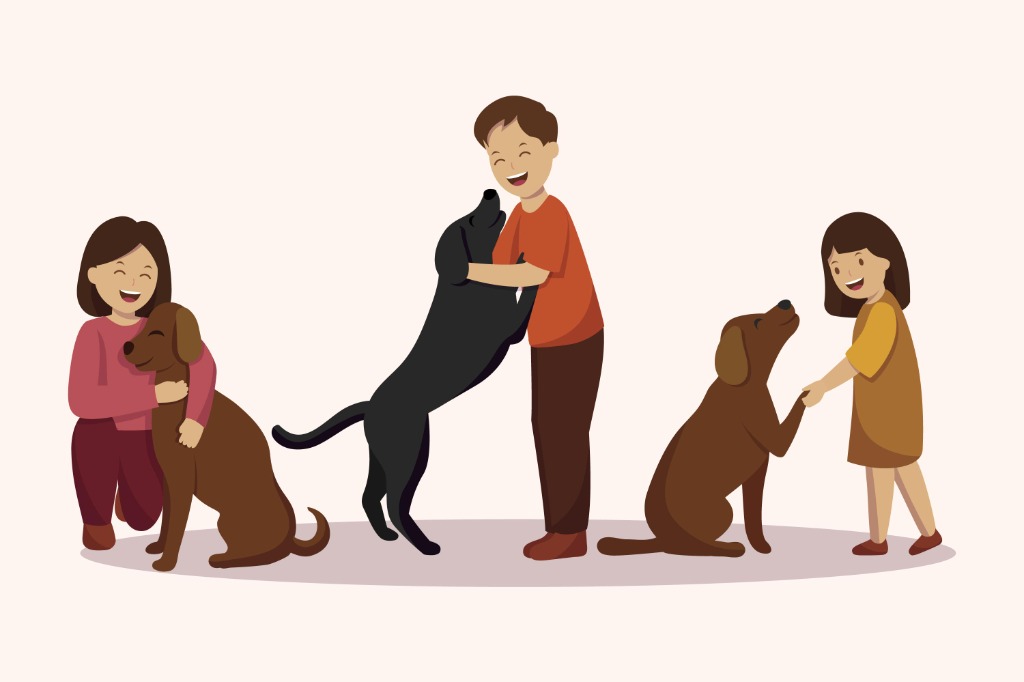
You might imagine your children playing happily with a new puppy, just like in the pictures. And yes, being a pet parent brings immense joy!
However, be aware that that bringing a dog home is a long term commitment and comes with its own challenges as well.
Accidents Happen
Puppies will pee and poop anywhere until they are trained, which may take one to two months at least. Expect to clean up after them regularly.
Dogs need exercise
All dogs need to be taken on walks at least twice a day. Not just to relieve themselves but also to keep them physically and mentally healthy. Walks give them exercise as well as mental stimulation from the various sights and most importantly smells they take in during that time. Duration of their walks depends on their size and breed.
Biting & Chewing
Puppies will bite and chew anything soft or hard while teething. It's soothing for them. Expect a few chewed items around the house!
What You Can Do
Potty Training
You’ll have to take a puppy out on several short walks a day:
- Right after they get up from a nap.
- After each meal.
- Perhaps again 20 minutes after the meal.
Watch for accident patterns. Reward your puppy when they do their job outside, but expect occasional accidents.
Try to visit the same spot (dogs like routine). Clean indoor accidents with an enzymatic cleaner to remove the smell, or that spot will become their favorite toilet. Be patient and persistent!
Biting & Chewing
Provide enough varying chew toys and puppy proof your house.
- Wood: Apply no-chew sprays or a bit of pepper/chilli paste to furniture legs.
- Shoes: Keep them inside a shoe cabinet.
- Clothes: Expect sheets or pants to be chewed if accessible.
Tip: If your puppy nips you, yell loudly to show it hurt. They need to learn that biting you during play is not okay.
Regular walks
- Plan a schedule for your dogs walks.
- Let him/ her sniff around on their walks as this gives them mental stimulation and lowers stress.
- Be prepared with paper or poop bags to pick up after them.
One More Crucial Thing...
You or someone in the family must be available most of the time at home for the first month or so.
Why? To train the dog and give it a stable environment while it adjusts.
Planning holidays? You'll need a trusted pet sitter. Start leaving your dog with them for a few hours, then a night, even if you aren't traveling, so they get used to it.
Vaccinations: 3 times before they turn a year old, then once every year.
Keep in mind that you should budget for approximately ₹2000 to ₹4000 a month for pet food, vaccinations, vet visits and grooming. Also factor in the cost of getting a dog walker if you need one and the cost of boarding your pet when you go on vacation.
Male or Female?
Which gender of dog should you go with? This is a common point of concern and is an important one.
🐕 Do you already have a dog?
If so, the answer is simple: go with the opposite sex. Having two dogs of the same sex is likely to cause trouble between them, especially as the younger or newer dog grows older or more comfortable in the new environment of your home. Dogs of the opposite sex tend to get on much better even as they mature.
🏠 If it's your first dog...
Here are some points to consider before making a decision:
Size & Handling
Male dogs are usually 10-20% bigger in size and weight than their female counterparts of the same breed, particularly in bigger and medium breeds. However, this variation is usually much less in smaller breeds like Shih Tzus. Handling a female dog may be easier in bigger breeds due to size, but remember: any dog can be trained to walk by your side without pulling if you are prepared to train well and assert authority from the start.
Managing Heat Cycles
Apprehensive about heat cycles? Smaller/medium breeds can usually be spayed (operation to remove ovaries and uterus) at 6 months before their first heat. Larger breeds should wait until 12 months for full growth, meaning one heat cycle. It's not difficult: periods last 20-25 days. The dog usually cleans itself; you'll only find minimal blood around the house. During walks, expect un-neutered male dogs to be more persistent.
Neutering & Spaying
Spaying or neutering is often recommended. It makes male dogs calmer and avoids trouble when neighborhood dogs are in heat. Un-neutered males can be restless, howl through the night, and be more difficult to control when they sense a female in heat nearby. Neutering can offer a variety of benefits, from preventing unwanted litters to improving your dog’s health. However, it’s not a one-size-fits-all solution, and it’s important to carefully weigh the pros and cons before making a decision. Ultimately, neutering/spaying should be a well-informed decision made in consultation with a vet.
Humping
Humping (thrusting hips) is done by both males and females due to stress, excitement, or hormones, but is more common in males. It can be awkward with guests. This must be addressed early so it doesn't become a habit; if it does, even neutering may not fully resolve it.
In the end, any dog can be trained and any issue such as heat cycles or humping can be managed. But it’s best you make your choice with all the information at hand.
ADOPT
instead of buying.

There are so many sweet, loving dogs waiting to be adopted. You have various breeds and ages to choose from.
Why Adopt?
Buying encourages unscrupulous breeders who use dogs solely for profit and abandon them later. In-breeding by breeders often causes illness.
If you’d like us to help you find a dog that matches the breed, size, gender, and age you’re looking for, fill out our Application Form→. We’ll get back to you. If you’d prefer to explore adoption centres near you or browse other websites, you’ll find a list of resources alongside.
Adoption Resources
Bangalore & Karnataka
Adoption Application
Still keen on buying?
If you must buy, please avoid professional breeders unless they are highly ethical. Try finding a one-off litter from a family dog.
Checklist for an Ethical Breeder:
- Breeds only once a year (no overbreeding).
- Does not practice in-breeding.
- Allows you to visit and see the conditions (clean, happy, not scared).
- Mother and puppies are well cared for.
- Does not sell puppies before 7-8 weeks of age.
- Provides vaccination records for mother and puppies.
- Ideally registered with Kennel Club of India (KCI) with bloodline certificates.
- One litter at a time.